Work Thresholds of Ideologies — total installation, Vienna

Research

Publications: e-flux

In Man and His Symbols, Carl Jung describes the threshold between consciousness and the unconscious as a liminal space where forgotten symbols, repressed truths, and unspoken desires rise to the surface. It is here, at this fragile boundary, that transformation becomes possible.

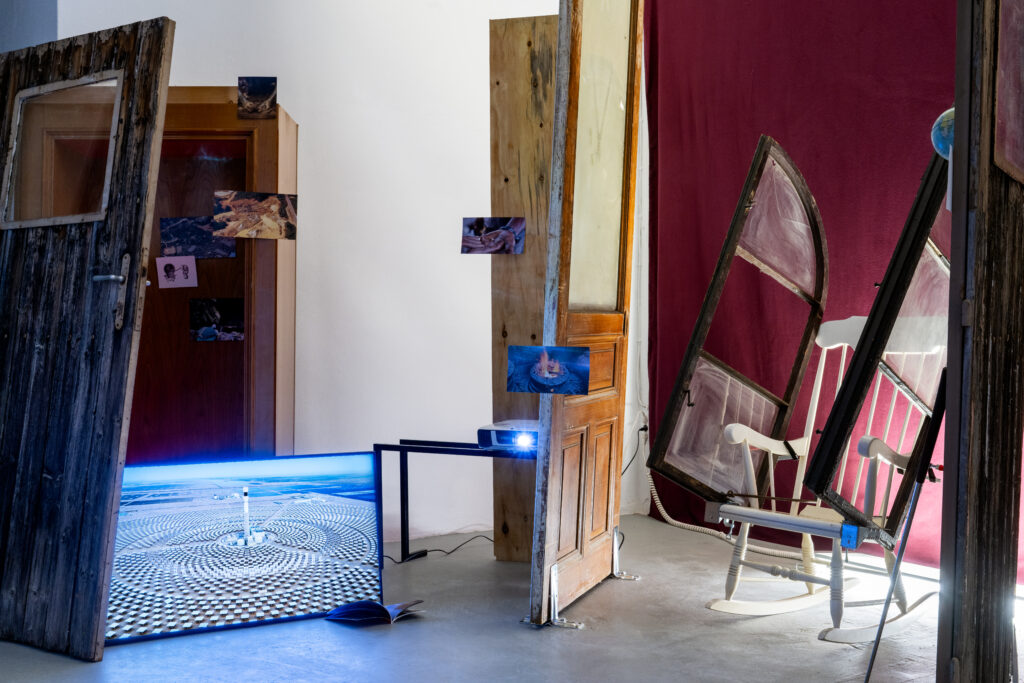
Thresholds of Ideologies weaves the physical world and real geographies with the mental landscapes of perception and imagination. Growing up in Ukraine and exploring sites across the globe—including New York, Morocco, and Ghana—Lesia Topolnyk observed how differently we perceive and interpret the world. The exhibition is a quest to understand how humans construct meaning in relation to their inner worlds and how, despite inhabiting separate realities, we might find common ground.

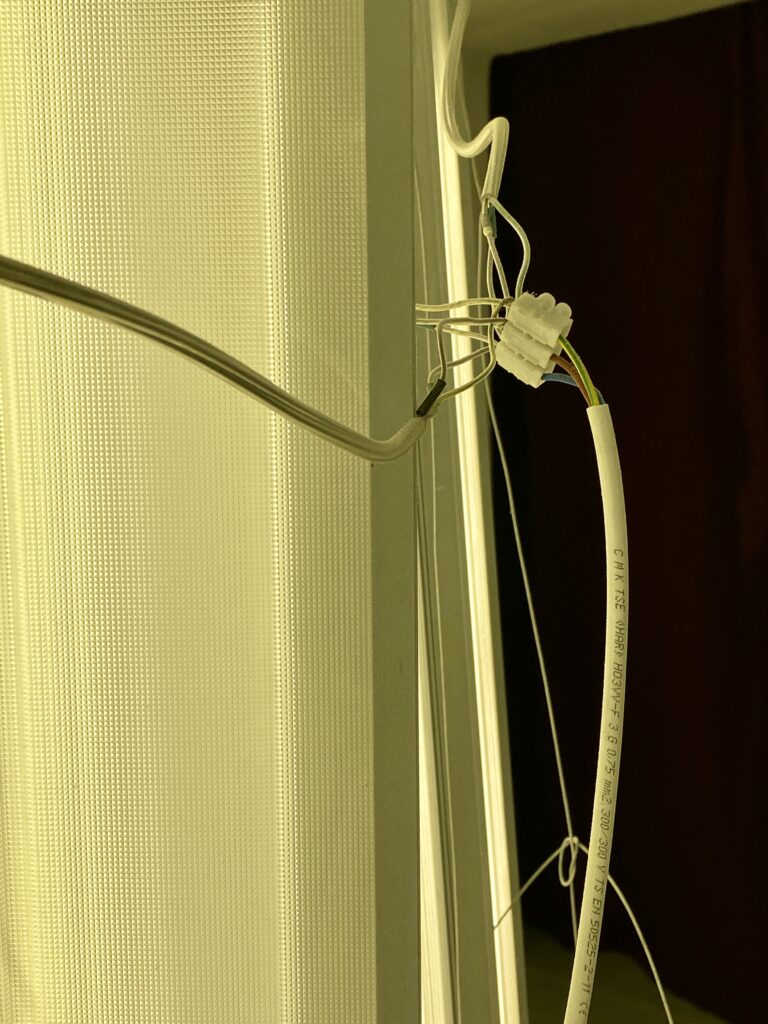
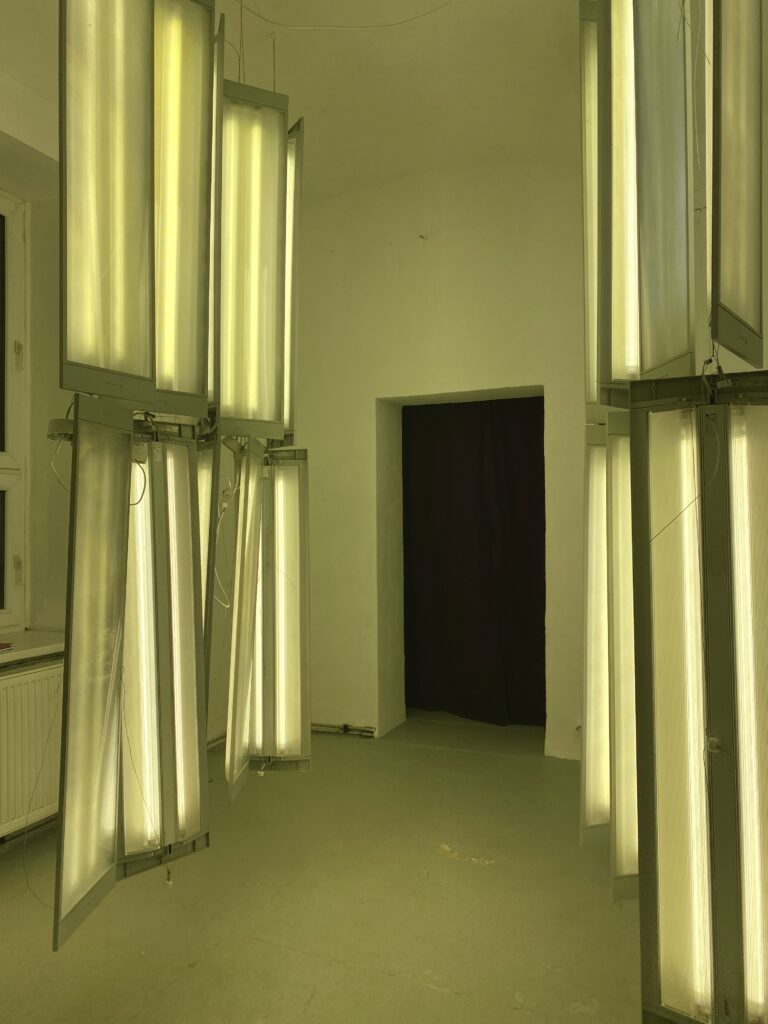
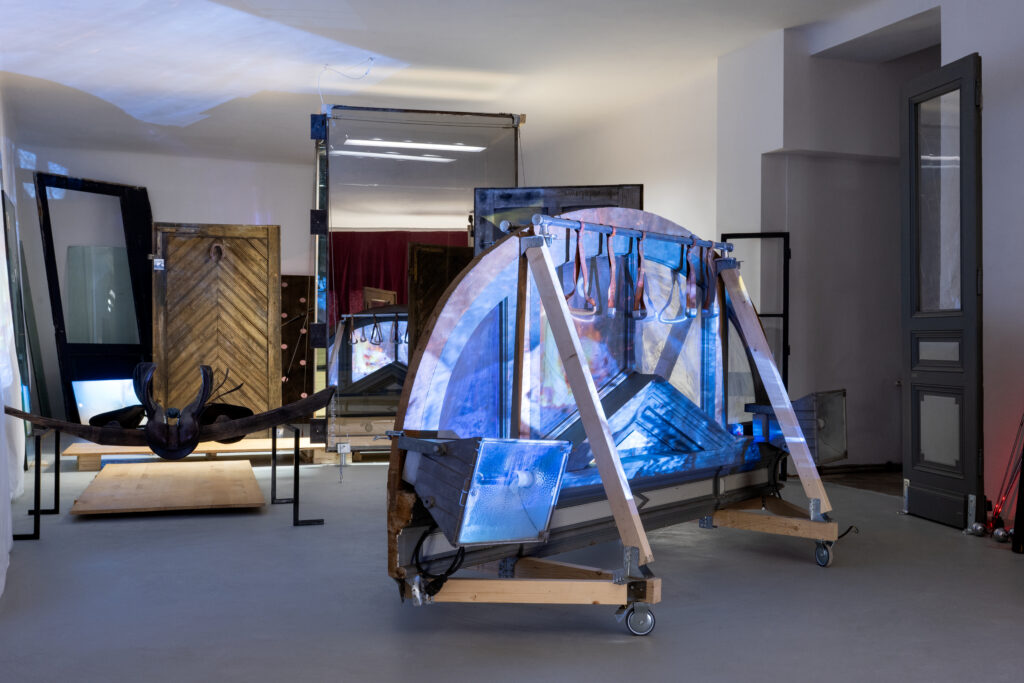
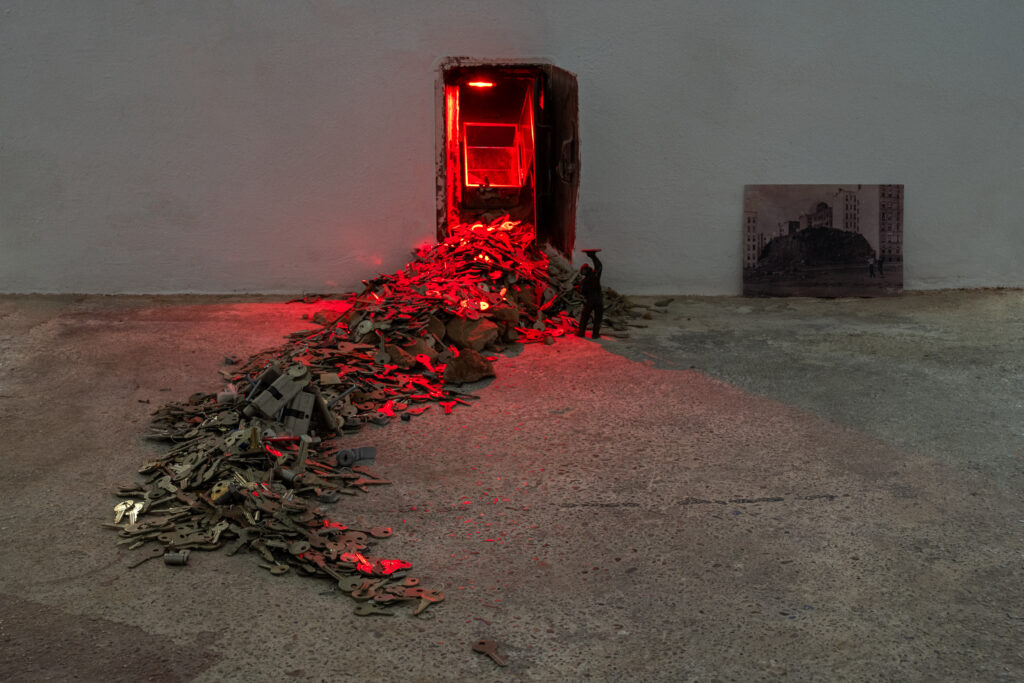
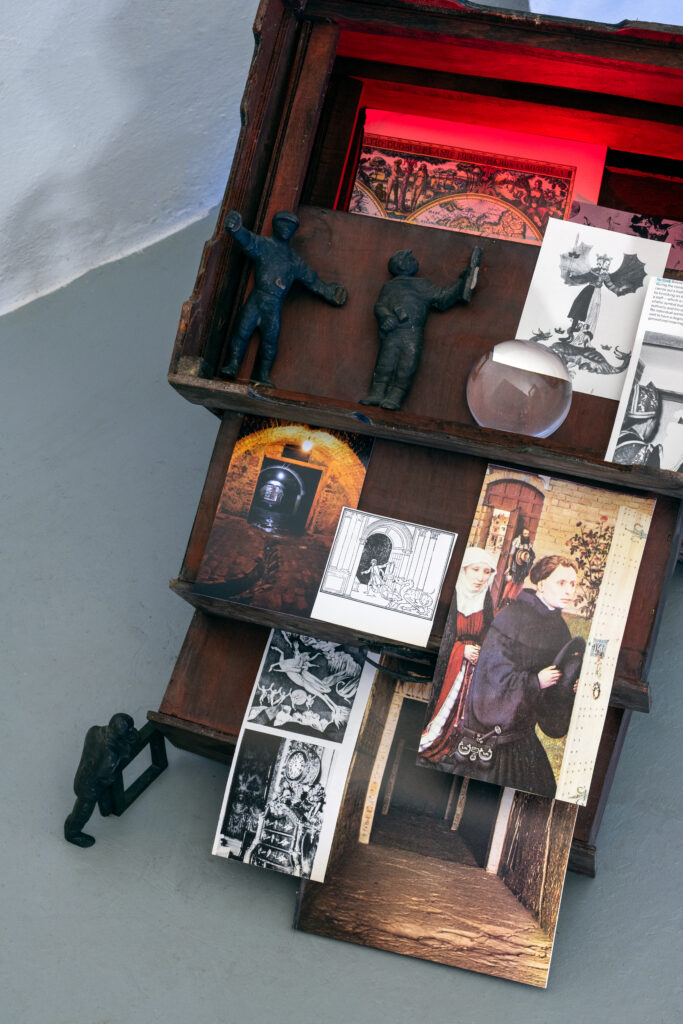
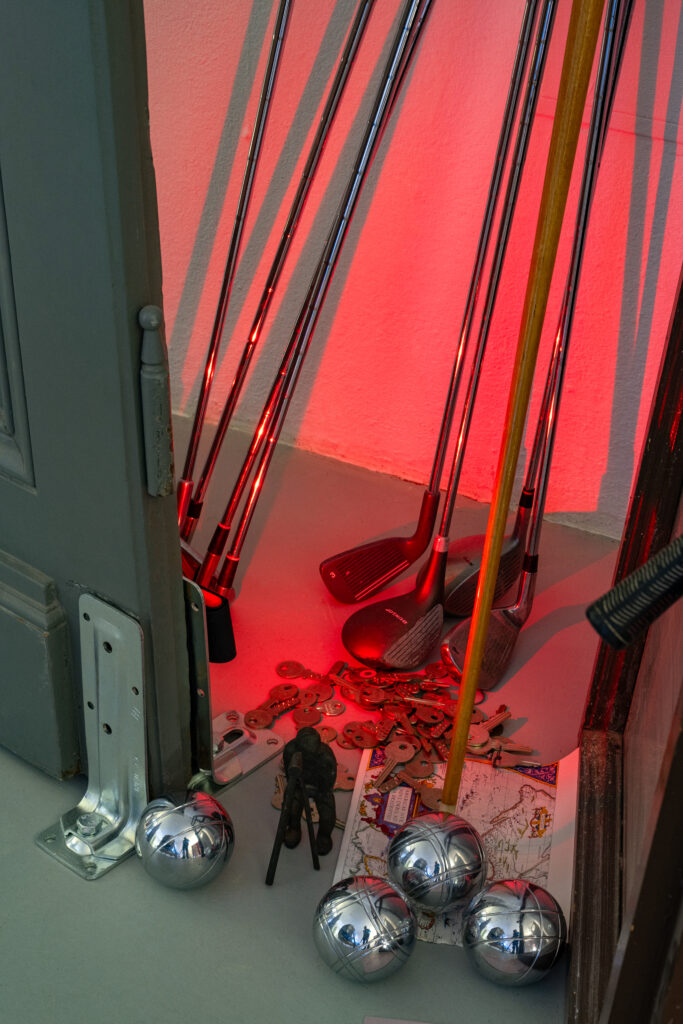
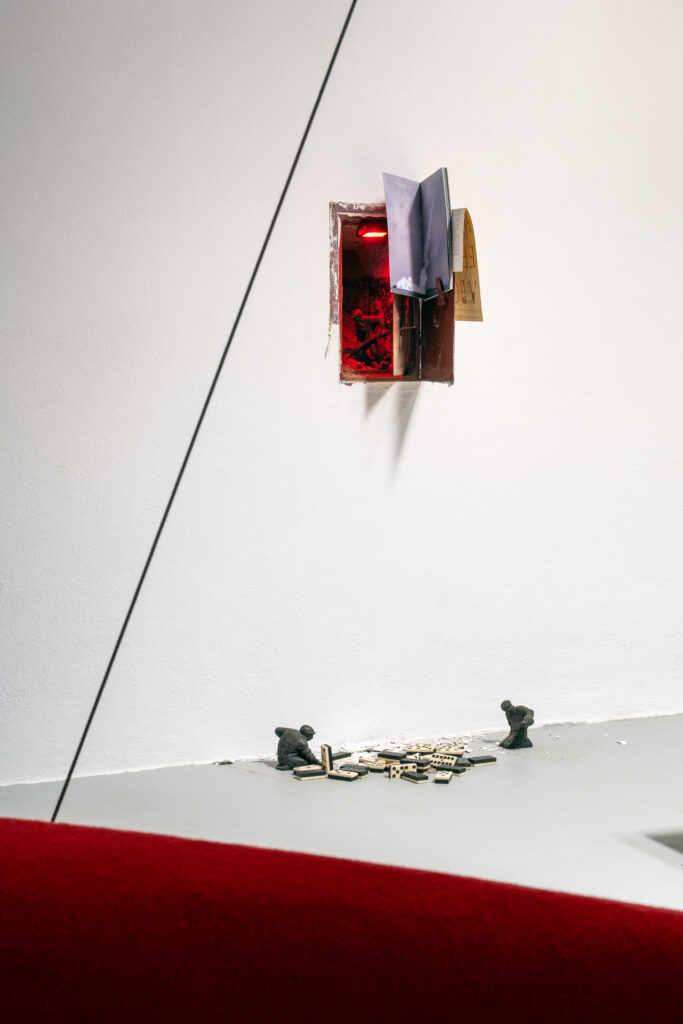
From the brightly lit entrance, inspired by the largest concentrated solar plant in Morocco, to darker interior rooms and hidden spaces—such as forgotten chimney doors uncovered within the building—the journey guides visitors through shifting scales of perception. A rediscovered chimney door opens onto an excavated inner landscape, where countless door keys evoke Manhattan’s layered histories of capitalism and property, while another reveals the underground world of a mining village in Ukraine, inviting reflection on how these distant histories, economies, and environments converge and shape our understanding of global interconnections.
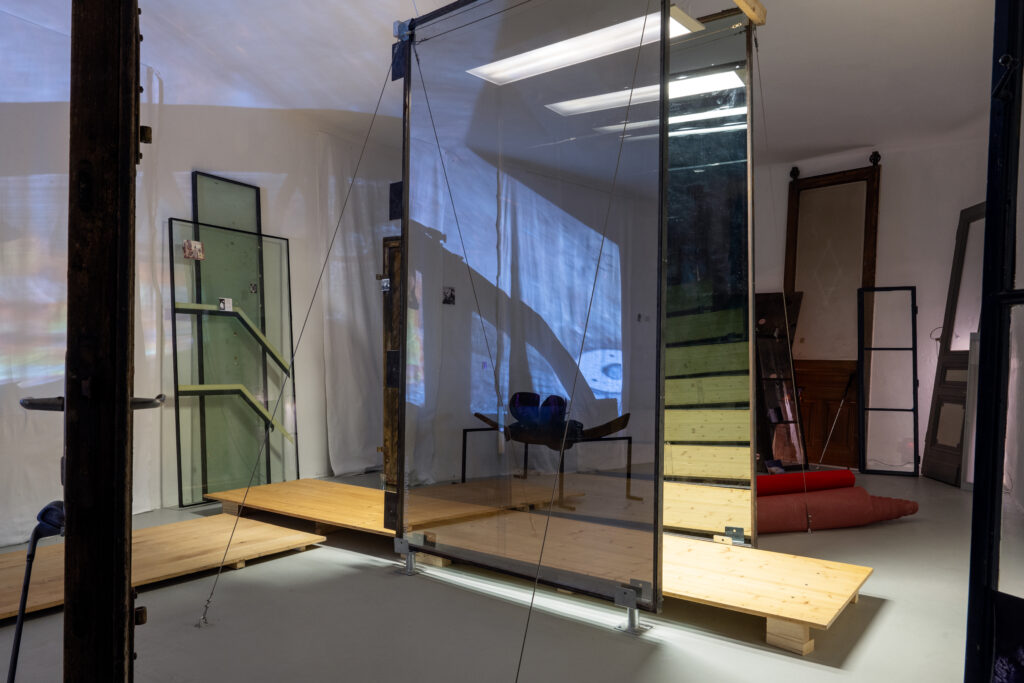
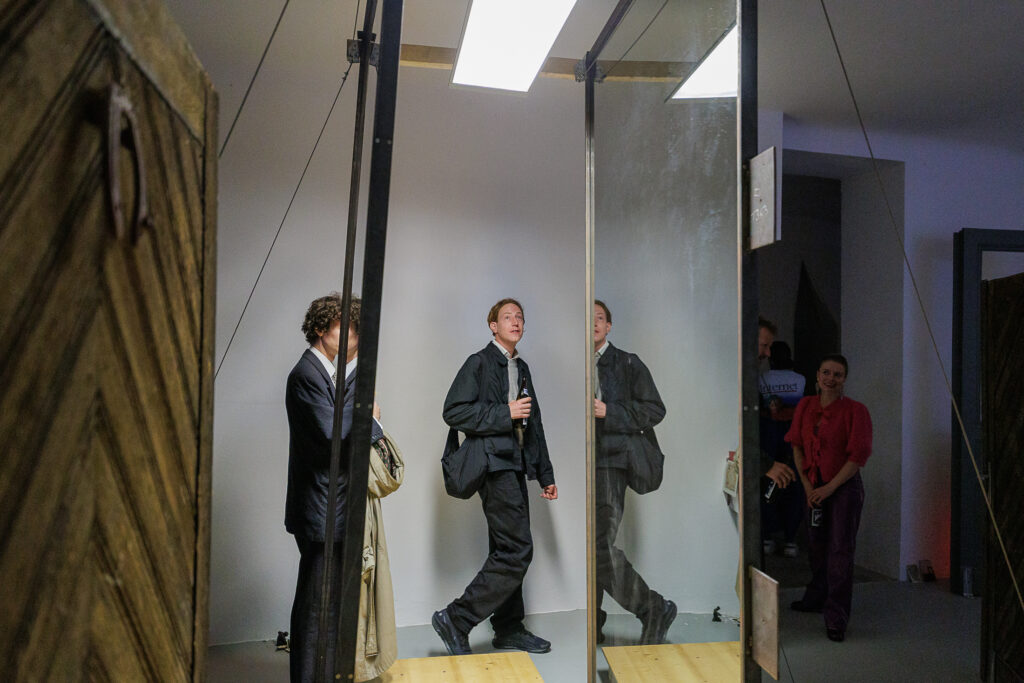
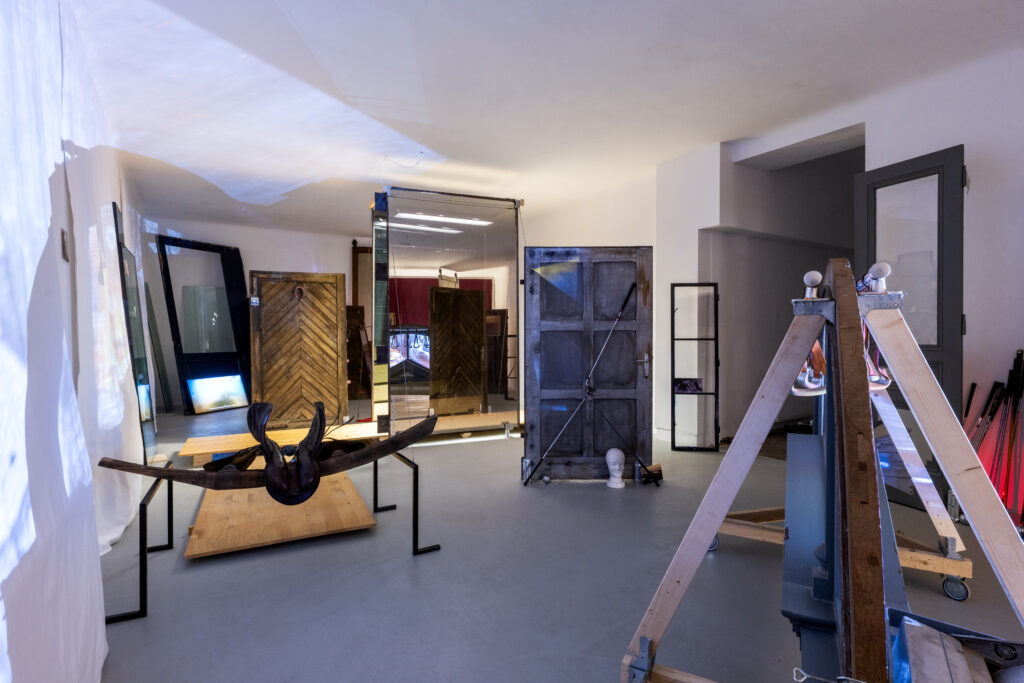
Exhibition at MAGAZIN, Space for Contemporary Architecture, Vienna, 2025

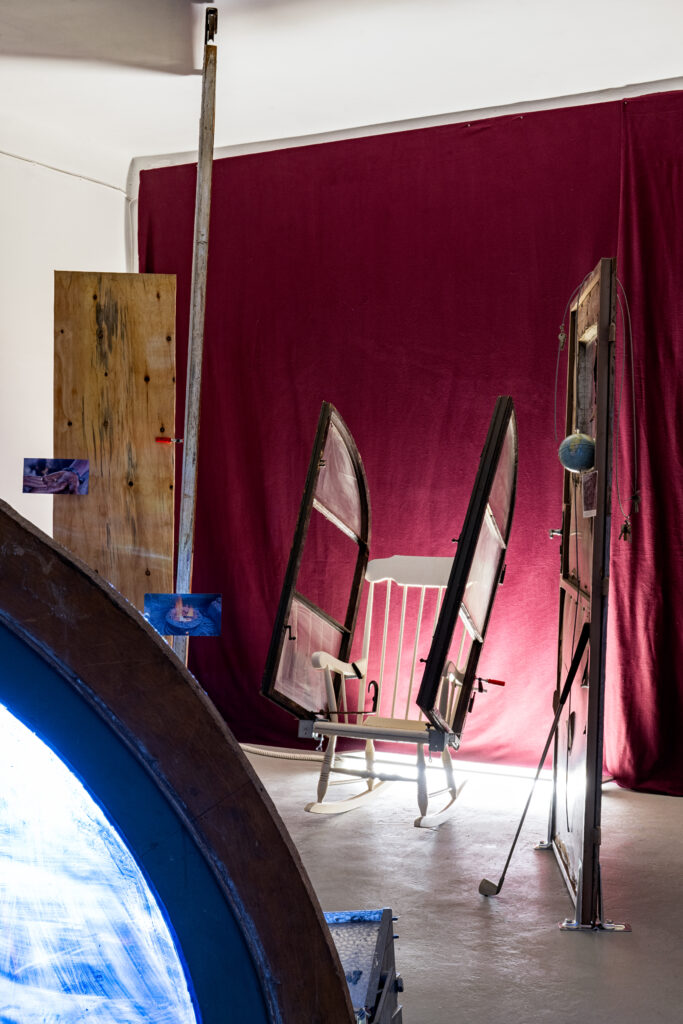
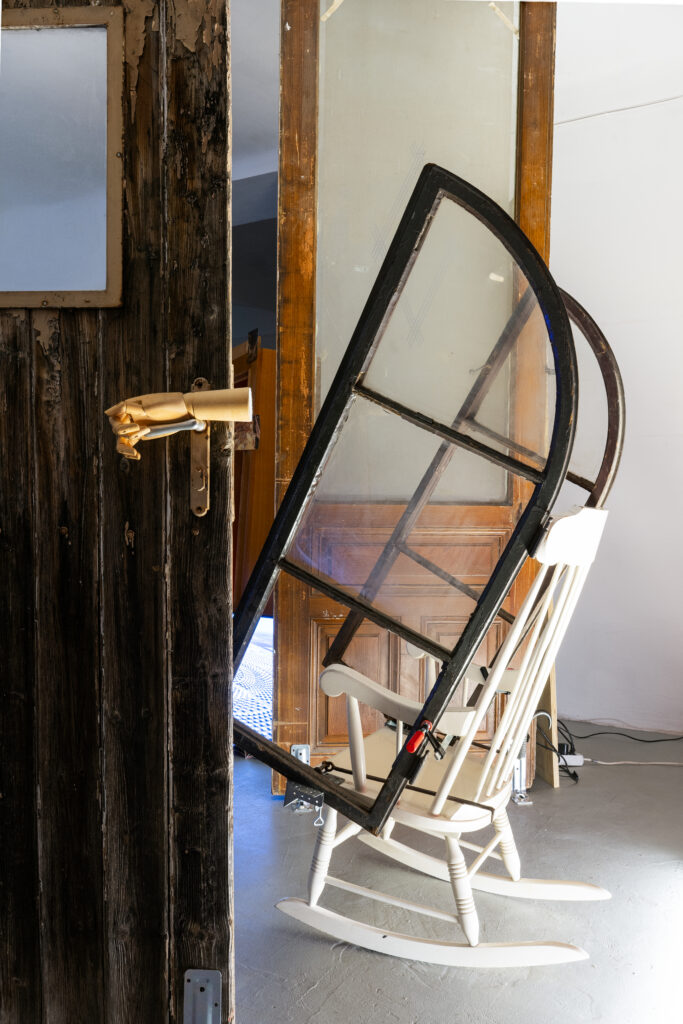
The exhibition unfolds as a cinematic space, a journey through shifting spatial and ideological boundaries. Mirrors, portals, and reflective surfaces accompanied by immersive video and audio evoke self-confrontation and liminality, while misplaced and nonfunctional objects express the tension between progress and collapse, belief and doubt. Scenes resemble a film with absent actors—abandoned objects, empty chairs, traces of gestures once performed—yet the visitor ultimately becomes the actor. A lingering question emerges: if you are a dreamer within a dream, who is truly dreaming?

In the exhibition, these stories are interwoven with local ones through Viennese building fragments from the archive of materialnomadenThey bear the imprint of different epochs, witnessing local histories and traditions.

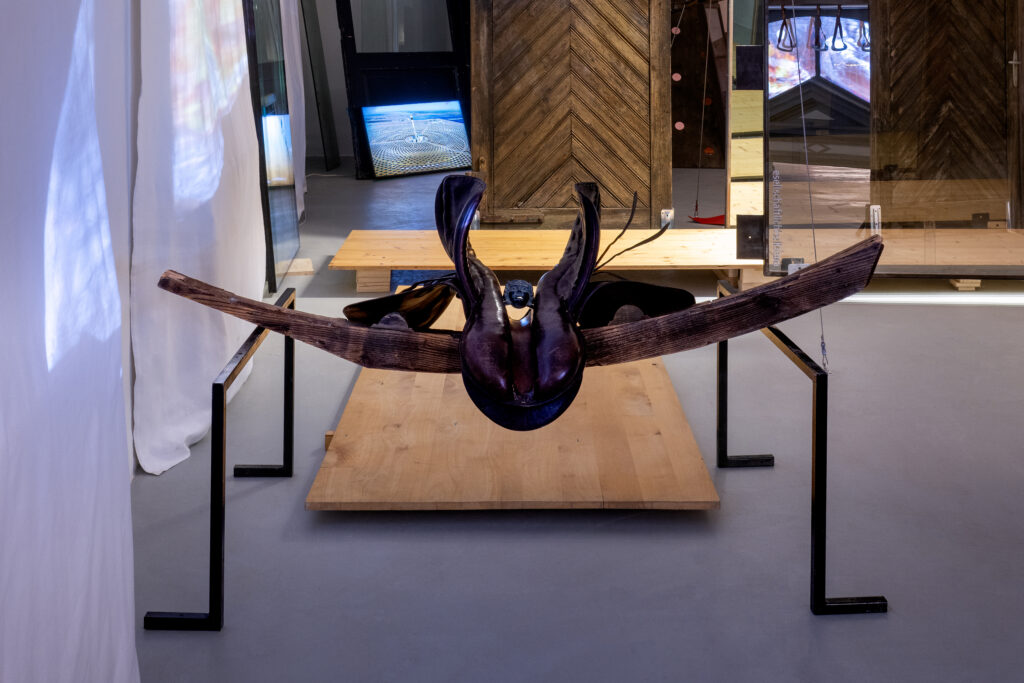
Fragments are reconfigured into new constellations. A chamber built from reclaimed police windows offers a paradoxical experience: inside, one perceives only an endless curved extension of space, while from outside, the figure within remains visible but blind to the world beyond—a metaphor for perception, exposure, and ideological constraint. Elsewhere, a firstly appearing as a mystical creature, horse saddle rests as if the animal’s body still lingers within—an architecture of flesh and memory—juxtaposed with a Greek theatre mask. In Jungian dream symbolism, the horse embodies desire and instinct, yet here no single journey is prescribed; every object resists fixed meaning, forming a constellation of signs and associations. Scattered across the space, golf sticks burst from doorways, evoking both play and aggression. Their presence introduces a sense of unease, recalling political gamesmanship and the spectacle of power—from the manicured lawns of leisure to the symbolic terrain of governance.

Together, these elements form a landscape of thresholds—between private memory and public ideology, craft and commodification, the seen and unseen—inviting visitors to confront, interpret, and engage with the layered meanings of our time.

Project

Biography

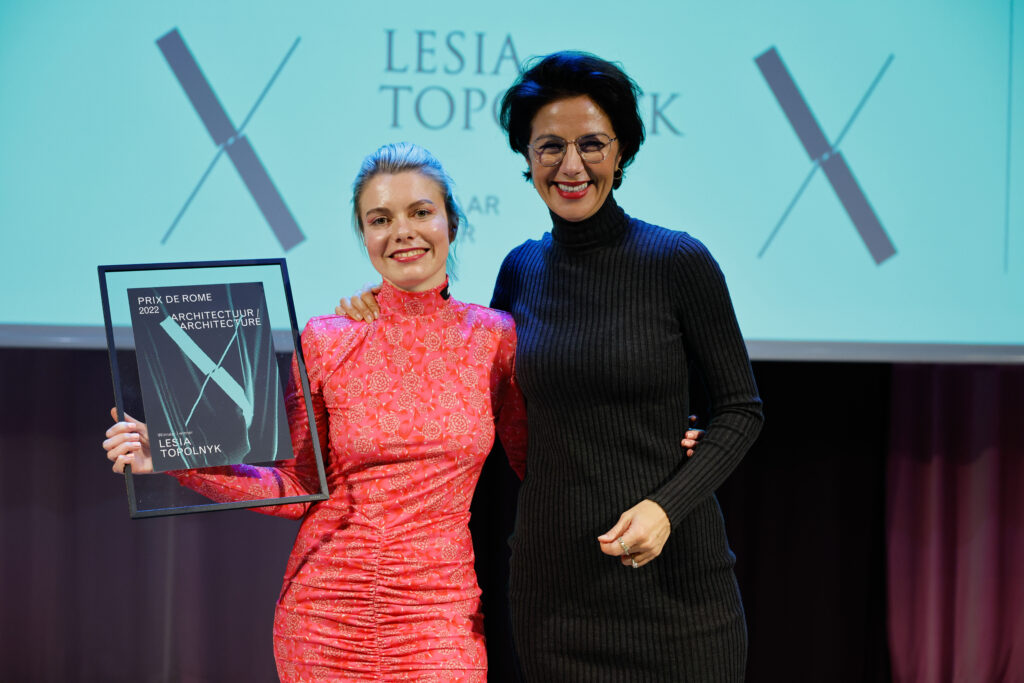
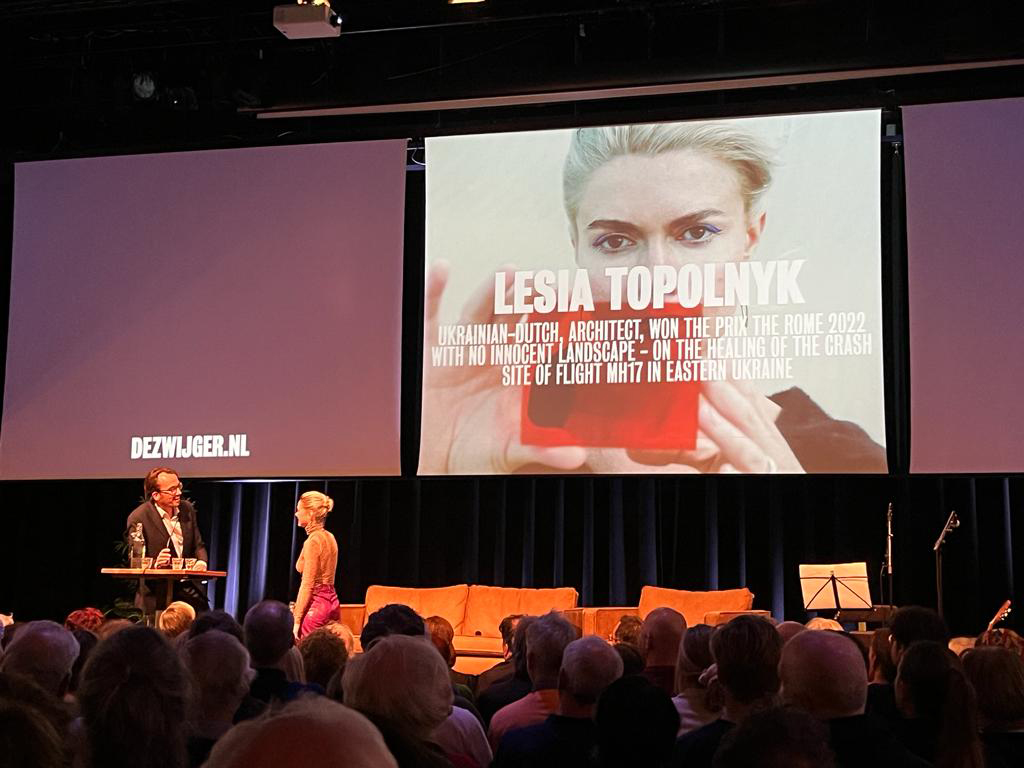
The Prix de Rome is the oldest and most prestigious Dutch award for visual artists and architects below the age of 35.

Lesia's work has been published in ArchDaily, E-Flux, STIRworld, NRC, Het Financieele Dagblad Persoonlijk, Metropolis, Mister Motley, Blauwe Kamer, AD, and more.

Honors & Awards:

2024 - Residency at The Savannah Centre for Contemporary Art (SCCA) and Studio of Ibrahim Mahama (Red Clay), Ghana

2024 - Residency on Governors Island, New York

2023 - IABR Agent of Change

2023 - Financieele Dagblad Top 50 Talent 2023

2022 - Winner Prix de Rome, the Netherlands

2020 - Talent Grant, Creative Industries, Netherlands

2020 - Young Talent Architecture Award, nomination (by the Fundació Mies van der Rohe and the EU Commission)

2019 - Winner Archiprix Nederland

2019 - Winner Archiprix International

2019 - Winner Tamayouz International Award

2014 - AHK Talent Grant

Selected Exhibitions:

2025 - Solo exhibition at MAGAZIN, Vienna, Austria (upcoming)

2025 - Lisbon Architecture Triennale, Portugal

2024 - Work presentation at RedClay (Studio of Ibrahim Mahama), Ghana

2024 - Mobile installation, exhibition, Governors Island - Lower Manhattan, New York

2024 - OMI, "Rotterdam Culture City", alongside significant works by OMA and West 8.

2024 - International Architecture Biennale Rotterdam (IABR)

2022 - Prix de Rome, NI, Rotterdam

2022 - Architecture Triennale, Lisbon

2022 - New European Bauhaus, Brussels

2021 - Dutch Design Week

2021 - Biennale, Venice

2020 - Dutch Design Week

2019 - Biennale, Santiago

2019 - Archiprix International

2019 - Archiprix Netherlands

Portrait for Prix de Rome 2022

Lesia Topolnyk is a licensed architect and recipient of numerous Dutch and international awards for design and research — including the Prix de Rome and Archiprix. Named an agent of change by the International Architecture Biannale Rotterdam for her work on energy transition and places that require a new vision, she brings more than ten years of experience working at internationally acclaimed Dutch practices. Her projects span the Netherlands, New York, North Africa, and her native Ukraine.

Her practice operates across two registers: spatial design — buildings, interventions, interiors — and strategic research consultancy for municipalities, developers, and NGOs engaged with transition themes including energy, landscape, and heritage. The two are not separate disciplines but a single sensibility applied at different scales and in different forms of collaboration. Her work does not stop at the building — it contributes to the shaping of the spaces and systems we inhabit.

About / Contact